
Loan Amortization / Schedule Engineering
Amortization Calculator: How to Read Your Schedule & Shave Years Off
When you take out a loan, you receive an amortization schedule. On paper, it looks like a tidy roadmap: pay an identical monthly amount, and your balance steadily decreases to zero. What most borrowers don’t realize is that traditional amortization schedules are front-loaded to collect the vast majority of bank interest in the earliest years.
If you are searching for an amortization calculator, a loan amortization calculator, or trying to generate an amortization schedule, understanding how the math works is your single greatest weapon. It reveals how interest is front-loaded, and more importantly, how even small extra payments completely collapse the amortization curve.
Furthermore, standard online calculators make a fatal assumption: they model only a single, isolated loan. If you are juggling multiple liabilities—personal loans, credit cards, and auto notes—you need a dynamic debt payoff calculator with extra payments that cascades freed cash flow from one amortizing schedule directly into the next.
What is an Amortization Schedule? (The Mathematical Formula)
Amortization is the systematic reduction of a loan balance through regular, equal installment payments over a designated term. Each monthly payment consists of two distinct components:
- Interest: The lender’s fee, calculated as
Remaining Principal × (Annual APR ÷ 12). - Principal: The portion of your payment that actually reduces your outstanding loan balance.
The Universal Loan Amortization Formula
Monthly Payment (M) = P × [ r(1 + r)^n ] ÷ [ (1 + r)^n – 1 ]
Where P = Principal loan balance, r = Monthly interest rate (APR ÷ 12), and n = Total number of monthly installments.
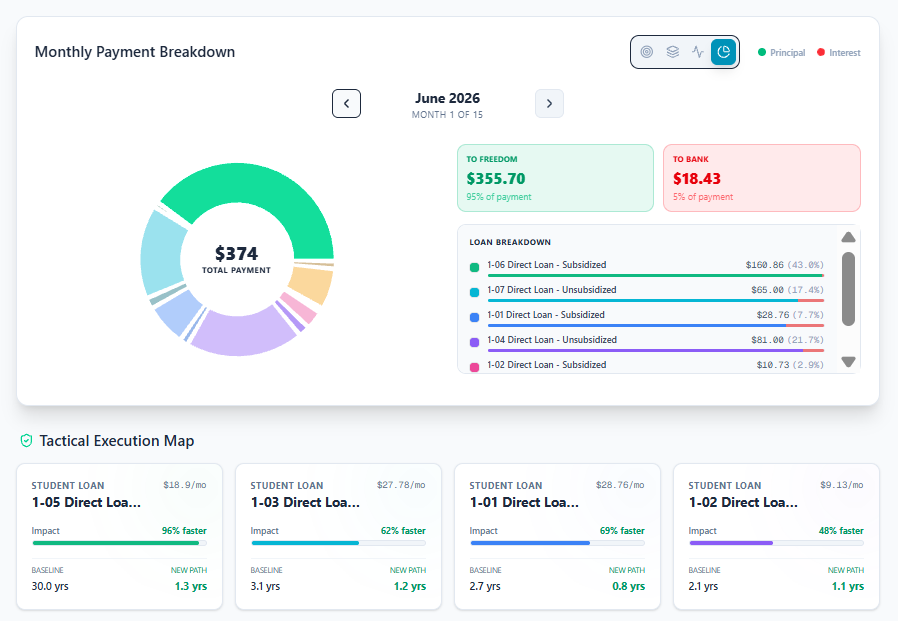
Figure 1: Visualizing how amortization schedules front-load interest charges in the early months of repayment.
How Extra Payments Collapse the Amortization Schedule
Because interest is recalculated every month on your remaining principal balance (or daily, under the average daily balance method for credit cards), making an extra payment produces a non-linear compounding multiplier.
To see how an amortization schedule calculator changes when extra payments are applied, examine a typical $30,000 personal installment loan at 13.5% APR over 5 years (60 months):
| Payment Strategy | Monthly Outflow | Payoff Timeline | Total Interest Paid | Time & Money Reclaimed |
|---|---|---|---|---|
| 1. Standard Amortization | $690.41 / month | 60 Months (5.0 Yrs) | $11,424.60 | $0 (Baseline) |
| 2. +$150/mo Extra Principal | $840.41 / month | 46 Months (3.8 Yrs) | $8,532.10 | Save $2,892.50 & 14 Months |
| 3. +$300/mo Extra Principal | $990.41 / month | 37 Months (3.1 Yrs) | $6,815.40 | Save $4,609.20 & nearly 2 Years |
| 4. +$300/mo + $2,000 Lump Sum | $990/mo + $2k bonus | 31 Months (2.6 Yrs) | $5,210.80 | Save $6,213.80 & 2.4 Years! |
Notice what happens: adding $300/month to this $30k balance (see how to pay off $30k in debt) doesn’t just cut your monthly debt load—it eliminates over $4,600 in pure interest and hands you back nearly two full years of financial freedom.
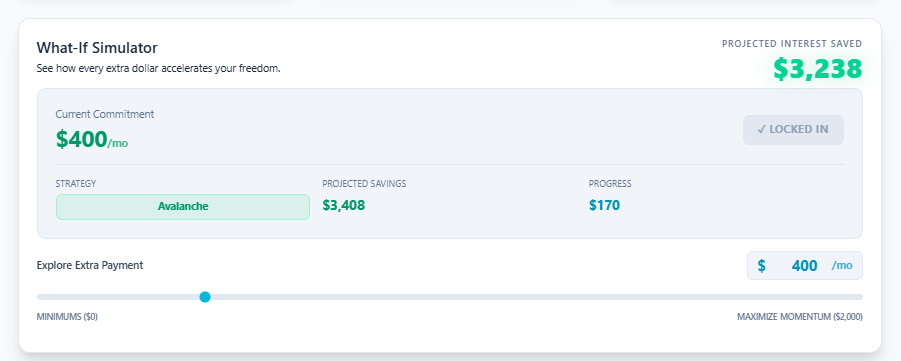
Figure 2: Testing what-if monthly surplus and lump-sum injections to collapse loan amortization schedules.
The Fatal Flaw in Standard Amortization Calculators
Most online tools (like basic Bankrate or spreadsheet templates) evaluate only one loan at a time. But in the real world, households juggle multi-layered debt structures:
The Isolated Single-Loan Model
Static Spreadsheet Calculations
Calculates a rigid 36- or 60-month linear schedule for one balance. It completely ignores that you also have high-APR credit cards, auto loans, or student debt competing for cash flow.
The Dynamic Multi-Loan Model
Cascading Debt Architecture
When one amortizing loan hits zero, its entire monthly installment is automatically rolled into the extra payment pool of your next highest daily-bleed debt (the Dynamic Blitz Protocol).

Figure 3: Dynamically routing cash flow across multi-loan amortization schedules to minimize total interest.
3 Rules to Outsmart Your Amortization Schedule
1. Make Extra Payments Specifically to “Principal Only”
When making extra payments to an auto loan, mortgage, or personal loan, verify that your lender applies the extra cash to “Principal Reduction” rather than advancing your next payment due date. Advancing the due date delays amortization; principal reduction stops compounding immediately.
2. Target Highest Daily Dollar Bleed First
Before throwing extra cash at a 7% car loan or 6% mortgage, examine your credit cards. High-APR revolving debt compounds interest daily based on your daily interest bleed. Always extinguish 24%+ revolving debt before accelerating lower-rate installment loans.
3. Use a Dynamic 12-Month Construction Roadmap
Instead of squinting at a 60-row spreadsheet table, track your payoff on a visual roadmap. Watching milestone bricks turn green as principal balances collapse reinforces the discipline needed to stay on track.
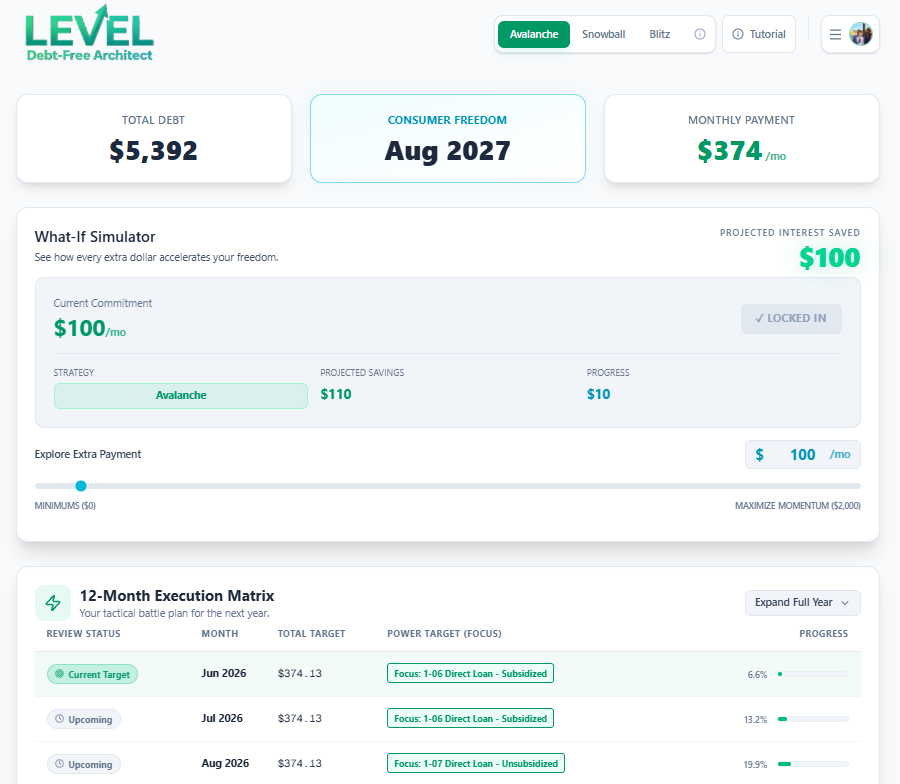
Figure 4: Tracking multi-loan amortization milestones on an interactive 12-month construction roadmap.
Frequently Asked Questions
What is the difference between an amortization schedule and a credit card payoff table?
Does making bi-weekly payments change my amortization schedule?
Where can I model multiple loans with extra payments for free?
Interactive Multi-Loan Amortization Engine
Don’t settle for static spreadsheets. Engineer your exact debt-free date.
Calculate your custom multi-loan amortization schedule today with LEVEL Debt-Free Architect. Run side-by-side strategy simulations, test what-if extra payment injections, and build your visual 12-month construction roadmap—100% private, with zero bank sync required.